By Jason Musser
•
March 16, 2026
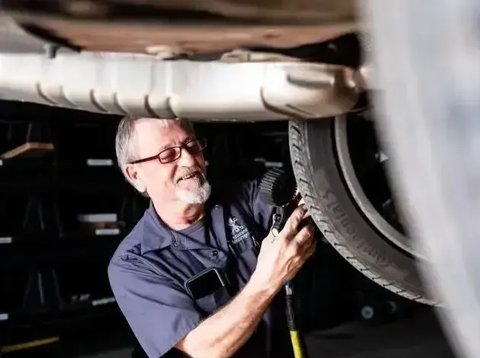
Classic cars hold a special place in the automotive culture of Bowling Green, Kentucky and the surrounding Warren County area. From weekend cruise-ins to gatherings connected to the National Corvette Museum , enthusiasts throughout Southcentral Kentucky take pride in preserving vintage vehicles for shows, road trips, and Sunday drives along the I-65 corridor . Many of these vehicles are driven only occasionally rather than daily, which creates unique reliability challenges that modern repair shops may overlook. Many drivers searching for a classic car mechanic in Bowling Green KY are often looking for technicians familiar with carburetors, distributor ignition systems, and other mechanical systems found in vintage vehicles. Many drivers searching for a classic car mechanic in Bowling Green KY are often looking for technicians familiar with carburetors, distributor ignition systems, and other mechanic. At Musser Automotive , located at 1343 Old Louisville Rd in Bowling Green, KY , classic car owners find experienced technicians who understand the mechanical systems behind vintage vehicles. Since December 2014 , owner Jason Musser has built the shop around honest diagnostics, clear repair consultations, and helping drivers prioritize what needs attention now versus what can wait. Musser Automotive is an ASE Certified repair facility and an AAA Approved Auto Repair Shop , serving drivers throughout Bowling Green , Plum Springs , Shawnee Estates , Old Stone , and the WKU area . Many classic car owners in Bowling Green bring their vehicles to Musser Automotive because diagnosing older vehicles requires real mechanical knowledge—not just plugging in a scan tool. For example, a Warren County driver recently brought in a 1970 Chevrolet Chevelle that had begun hesitating whenever the accelerator was pressed. The vehicle idled smoothly and drove fine at steady speeds, but every time the throttle opened quickly the engine stumbled before recovering. Situations like this are common with classic vehicles that sit between drives. After inspecting the fuel system, technicians discovered that the accelerator pump inside the carburetor had deteriorated , which prevented the engine from receiving the extra fuel needed during acceleration. Once the carburetor was rebuilt and the fuel system cleaned, the hesitation disappeared and the vehicle accelerated smoothly again. Problems like this are typical of vintage vehicles that spend long periods in storage between outings. Classic Car Repair in Bowling Green, KY Requires Different Diagnostics Than Modern Vehicle s Vehicles built before the mid-1990s operate very differently than modern cars. While modern vehicles rely heavily on onboard computers and OBD-II diagnostics, classic vehicles depend on mechanical systems and manual testing procedures. Professional classic car repair in Bowling Green KY often includes : Vacuum gauge testing Ignition timing adjustments Carburetor inspection Distributor inspection Mechanical fuel pressure testing Compression testing Vacuum leak detection These tests require mechanical interpretation rather than digital readouts. Many Bowling Green classic car owners bring vehicles that “run okay” but develop subtle drivability issues like hesitation or rough idle after sitting in storage for months. Diagnosing those problems correctly requires experience with carburetors, vacuum systems, and distributor ignition systems —skills that many modern technicians rarely encounter. Many drivers searching for a classic car mechanic in Bowling Green KY are often looking for technicians who still understand these older mechanical systems. Ethanol Fuel Problems Affect Many Classic Cars Driven in Bowling Green, KY One of the most common questions we hear from classic car owners is about modern ethanol gasoline . Vehicles built before the early 1990s were never designed for E10 fuel blends , which contain about 10% ethanol. Ethanol can cause several problems in older fuel systems: Rubber fuel line deterioration Carburetor float needle wear Fuel pump diaphragm failure Accelerator pump deterioration Fuel system varnish during storage Many Bowling Green drivers notice problems like: classic car stalls when warm carburetor hesitation during acceleration rough idle from carburetor issues These symptoms often appear after a classic car sits for extended periods. Ethanol fuel absorbs moisture, which contributes to corrosion and fuel degradation inside the carburetor. What many classic car owners do not realize is that fuel left sitting in a carburetor for several months can begin forming varnish deposits, especially in humid climates like Southcentral Kentucky. When a vehicle sits through the winter, those deposits can clog small passages inside the carburetor and create hesitation or rough idle when the vehicle is driven again. Carburetor Accelerator Pump Problems Often Cause Hesitation During Acceleration Carburetor hesitation is one of the most common drivability complaints in classic vehicles. Drivers often describe the problem as: hesitation when pressing the throttle stumbling during acceleration sluggish throttle response The cause is frequently a worn accelerator pump diaphragm inside the carburetor. The accelerator pump is responsible for injecting extra fuel when the throttle opens quickly. When the diaphragm becomes worn or cracked, the engine receives too little fuel during acceleration. This causes: hesitation stumbling delayed throttle response In many carburetors used on classic vehicles, the accelerator pump diaphragm deteriorates over time—especially when exposed to ethanol fuel. Ignition System Problems in Classic Vehicles Are Frequently Misdiagnosed Classic ignition systems rely on mechanical components rather than electronic controls. These systems may include: mechanical distributors centrifugal advance mechanisms vacuum advance systems breaker points ignition modules Common failures include: stuck centrifugal advance weights failed vacuum advance diaphragms worn distributor bushings incorrect ignition timing Improper ignition timing can lead to several drivability problems: engine overheating detonation or “pinging” hesitation during acceleration reduced fuel economy Many Bowling Green drivers notice symptoms such as distributor timing problems in classic cars when ignition components begin to wear. Vacuum System Failures Often Cause Rough Idle and Stalling in Classic Cars Classic vehicles rely heavily on vacuum-operated systems . Vacuum leaks can develop from: cracked vacuum hoses leaking intake manifold gaskets carburetor base gasket leaks failing brake booster diaphragms When vacuum leaks occur, engines may experience: classic car rough idle stalling at stoplights poor drivability carburetor hesitation Many classic car owners around WKU and Shawnee Estates bring vehicles in for rough idle problems that ultimately trace back to aging vacuum hoses. Because these hoses can be decades old, deterioration is extremely common. Cooling System Failures Often Cause Classic Cars to Overheat in Traffic One of the most frequent complaints among classic car owners is overheating in slow traffic . Many vintage vehicles cool effectively at highway speeds but struggle during idle or stop-and-go driving in Bowling Green . Common causes include: radiator corrosion thermostat failure water pump wear fan clutch failure missing or incorrect fan shrouds Classic cars were often designed for steady highway airflow rather than modern traffic patterns. When a vehicle sits in traffic near Scottsville Road or WKU campus , engine temperatures can rise quickly if cooling components are not functioning properly. Many classic car owners assume overheating is caused only by a failing radiator, but technicians frequently discover that missing or incorrect fan shrouds reduce airflow across the radiator at idle . A vehicle may run cool on the highway yet overheat during stop‑and‑go traffic simply because airflow through the cooling system is insufficient. Electrical and Charging System Problems Are Common in Vintage Vehicles Electrical systems in older vehicles can deteriorate over time. Typical problems include: brittle wiring insulation corroded ground connections failing alternators faulty voltage regulators Poor electrical grounding is a frequent issue. Many Warren County customers bring vehicles in for intermittent starting or charging issues that ultimately trace back to loose or corroded ground connections. Because classic electrical systems rely heavily on grounding, even small corrosion points can create major problems. Suspension and Brake Components Age Even When Classic Cars Have Low Mileage Many classic cars accumulate very low mileage compared to modern vehicles. However, rubber components deteriorate due to time and heat cycles, not just mileage. Common age-related issues include: cracked suspension bushings deteriorated brake hoses worn steering components moisture contamination in brake fluid A classic car that has been sitting for years may require brake system inspection before being driven regularly again. Musser Automotive frequently performs brake repair and suspension inspections in Bowling Green for classic vehicles preparing for local events. Real Classic Car Diagnostic Case Study From a Bowling Green Shop A 1969 Ford Mustang was recently brought in by a Warren County customer preparing for a weekend cruise event. Customer Complaint hesitation during acceleration occasional stalling after warm-up Diagnostic Process Our technicians performed several tests: fuel pressure testing carburetor inspection ignition timing verification vacuum leak inspection Root Causes Discovered The vehicle had several small issues working together: worn carburetor float needle partially clogged fuel filter slightly retarded ignition timing Repairs Performed carburetor rebuild fuel filter replacement ignition timing adjustment After repairs, the vehicle accelerated smoothly and ran reliably again. This case illustrates an important lesson about classic vehicle diagnostics: multiple small issues often combine to create drivability problems. Expert Maintenance Advice for Classic Car Owners in Bowling Green, KY Experienced technicians recommend several steps to keep classic vehicles reliable. Best practices include: drive the vehicle regularly use fuel stabilizer during storage inspect fuel systems annually check ignition timing periodically inspect cooling systems each year replace aging vacuum hoses and belts Regular driving helps circulate oil, lubricate seals, and keep fuel systems clean. Technicians often see vehicles that stall or run poorly after sitting through the winter because old fuel has degraded inside the carburetor or fuel lines. Many Bowling Green classic car owners who drive their vehicles monthly experience fewer problems than those that sit unused for long periods. Preparing Classic Cars for Seasonal Storage in Southcentral Kentucky Classic car owners through adding fuel stabilizer to prevent fuel varnish (many classic car owners use stabilizers such as Sta-Bil or similar products during winter storage)tore vehicles during colder months. Preparing vehicles properly can prevent many springtime problems. Recommended steps include: adding fuel varnish maintaining specting fuel lines and hoses Drivers preparing for spring cruise-ins or events near the National Corvette Museum often schedule inspections before bringing vehicles out of storage and take advantage of seasonal maintenance discounts and local auto repair specials available to Bowling Green drivers. Humidity levels in Kentucky can also contribute to corrosion inside fuel systems and electrical connections. Vehicles stored in non‑climate‑controlled garages sometimes develop small corrosion issues that only become noticeable months later when the car is driven again. Classic Car Repair FAQ for Bowling Green Vehicle Owners How often should a classic car be serviced? Classic vehicles should generally be inspected at least once per year, even if they are driven only occasionally. Is ethanol gasoline harmful to older engines? Ethanol can damage rubber components and accelerate fuel system wear in vehicles not designed for modern fuel blends. Can synthetic oil be used in classic cars? Yes, but oil selection should consider engine design, seal condition, and manufacturer recommendations. Why does my classic car overheat in traffic? Cooling system inefficiencies such as radiator corrosion or missing fan shrouds often cause overheating during idle conditions. Why does my carbureted engine hesitate when accelerating? A worn accelerator pump diaphragm or clogged carburetor passages commonly cause hesitation. Are classic cars harder to repair than modern vehicles? They require different expertise because diagnosis relies on mechanical testing rather than computerized diagnostics. Many classic car owners worry that drivability problems mean major engine repairs. In reality, many common issues are caused by relatively small components such as vacuum hoses, carburetor rebuild kits, ignition timing adjustments, or aging fuel system parts. Are classic car repairs always expensive? Classic car repairs are not always expensive. Many drivability issues come from smaller components such as vacuum hoses, carburetor rebuild kits, ignition timing adjustments, or aging fuel system parts rather than major engine repairs. Schedule Classic Car Repair in Bowling Green, KY at Musser Automotive Classic vehicles require experienced technicians who understand carbureted engines, distributor ignition systems, and vintage mechanical components. At Musser Automotive in Bowling Green, KY , drivers receive: ASE Certified technicians AAA Approved Auto Repair Shop 3-year / 36,000-mile warranty after-hours drop box 24-hour vehicle pickup honest diagnostic consultations Many Bowling Green classic car owners schedule inspections before: weekend cruise-ins long drives car shows seasonal storage If your vehicle needs classic car repair in Bowling Green KY , the team at Musser Automotive can help diagnose issues accurately and keep your classic running reliably for years to come. You can also connect with the shop through the Musser Automotive Facebook page for updates, photos of local projects, and announcements about community events. If you would like to schedule an inspection or discuss a drivability issue with your classic vehicle, call the shop at (270) 904-0267 to speak directly with the team.